Radiant Floor Heat in an Eichler: What Owners Need to Know About the System Under Their Feet
Every one of the 35 Eichler parcels on record was built before 1978. That means every one of them has a heating system that is at least 48 years old and embedded in concrete. Here is how it works and what to watch for.
The system itself
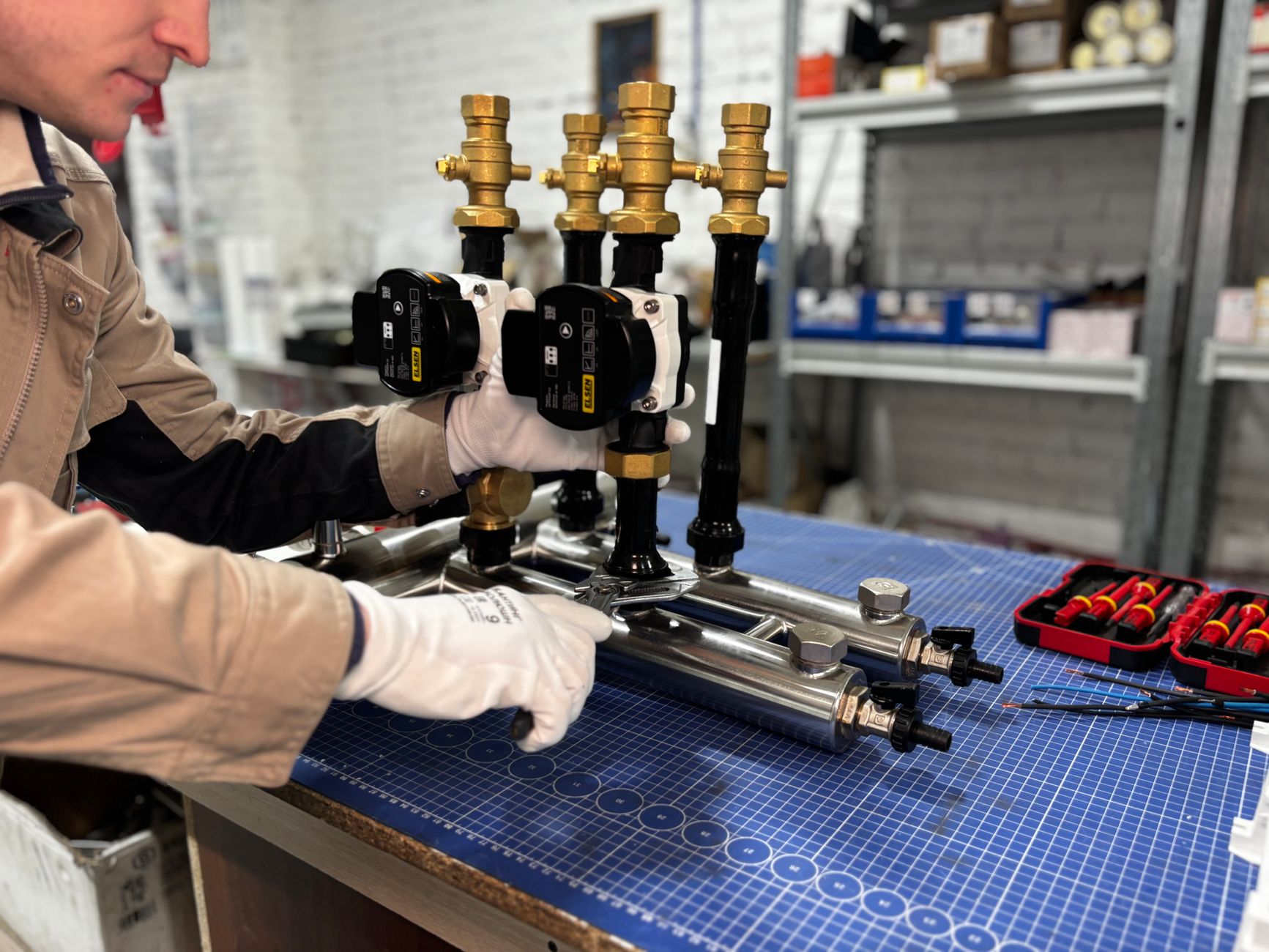
Every original Eichler came with radiant heat: a network of copper tubing cast directly into the concrete slab, connected to a central boiler or water heater. Hot water circulates through the tubing, the concrete warms slowly, and the heat radiates upward through the floor. There are no ducts, no forced air, no vents in the walls or ceiling. On a clear Silicon Valley winter morning the system is quiet and even, which is part of why owners tend to like it when it works.
The original installations used copper tubing, sometimes coated or wrapped, sometimes bare. In a few later tracts, the builder switched to a different material, but copper is what most owners find when they investigate. The boiler or water heater sits in the utility room and feeds one or more zones through manifolds. Controls are minimal by modern standards — often a single thermostat per zone, sometimes only one for the whole house.
Why 60-year-old copper fails
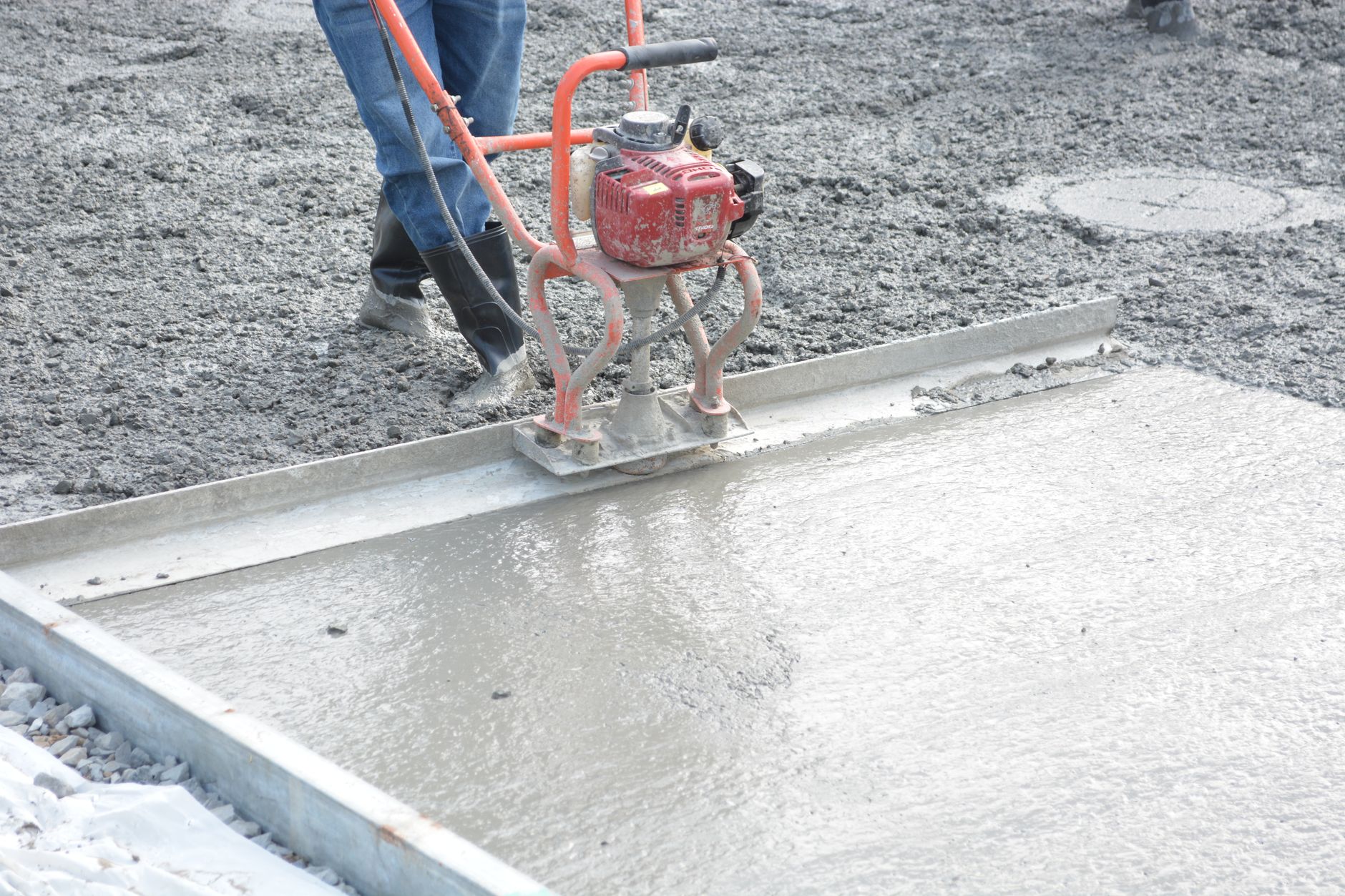
Copper that has been saturated in wet concrete for six decades is subject to a specific kind of corrosion. The chemistry of the concrete, the minerals in the local water supply, and any stray electrical current in or near the slab all contribute. The failure mode is typically pitting: small perforations that allow hot water to seep slowly into the slab. You may not notice a pinhole leak for weeks. By the time moisture wicks to the surface or the boiler starts cycling unusually often to maintain pressure, the leak may have been running for some time.
Other common failure points:
- Joints and fittings. Where copper sections were soldered together at the manifolds or at in-slab junctions, solder joints can corrode or crack under the thermal cycling of thousands of heat seasons.
- Boiler and circulating pump. The above-slab equipment has a normal service life and eventually needs replacement independent of whether the tubing is intact.
- Controls and mixing valves. Original thermostats and zone valves are long past their design life. A system that seems sluggish or uneven is sometimes a controls problem rather than a slab problem.
- Oxygen infiltration. If the system has ever been drained and refilled carelessly, or if it has a small persistent leak drawing in fresh water, dissolved oxygen accelerates corrosion inside the tubing.
Diagnosing the problem
A licensed plumber with radiant heat experience can pressure-test the system to determine whether the tubing holds pressure. If it does not, locating the leak without destructive investigation requires electronic leak detection or thermal imaging — tools that show where heat or moisture concentrates in the slab. Neither test tells you how many leaks there are, only where the detectable ones are. That distinction matters when you are deciding what to do next.
If your system runs but the floor never gets warm in certain rooms, the tubing may be intact and the problem may be in the controls, the pump, or a partially closed zone valve. Start with the simplest diagnosis before assuming a slab problem.
Repair versus replacement
Once a leak is confirmed, owners face a genuine decision with no universal right answer.
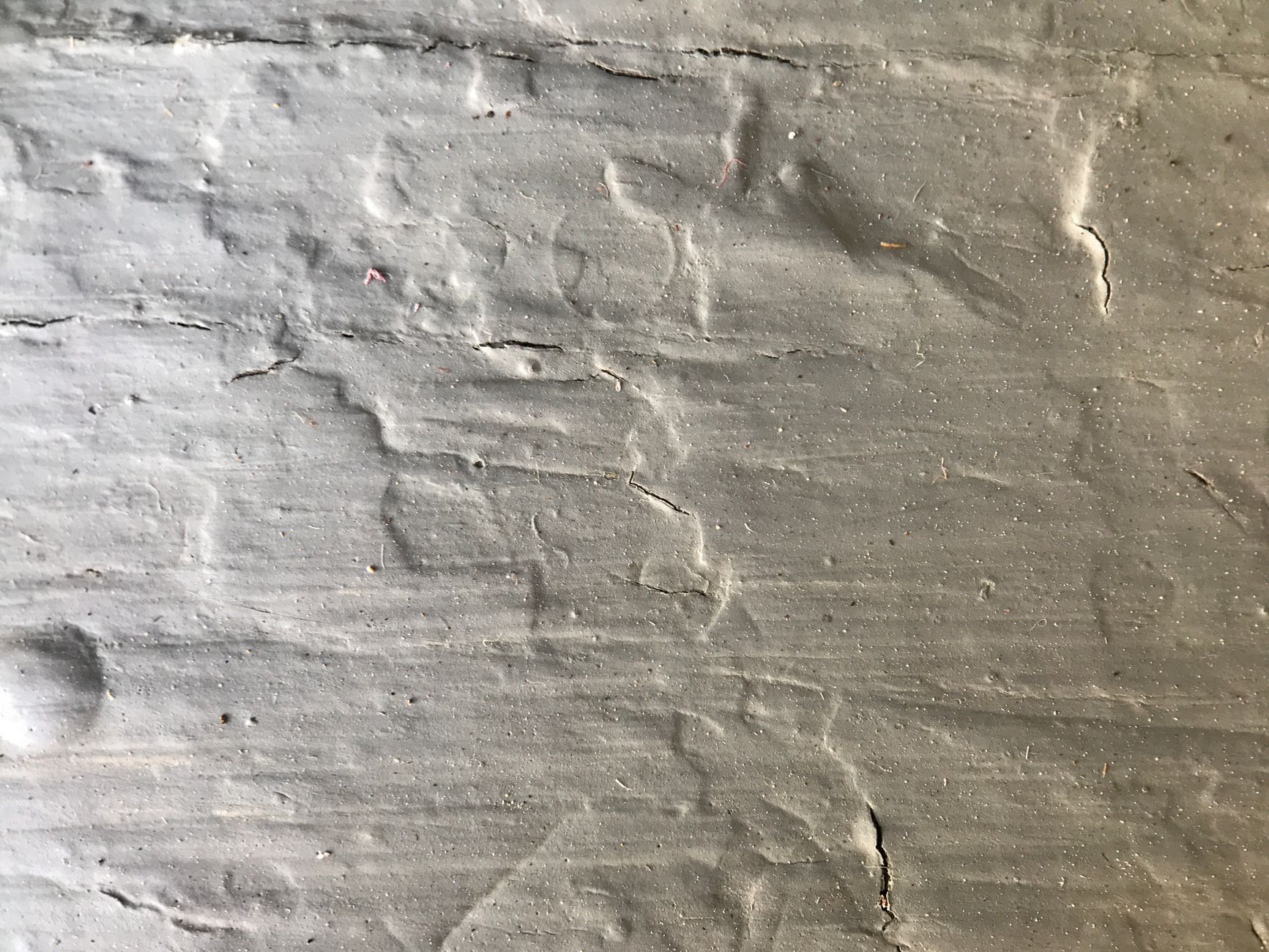
Repair means exposing the leak site by cutting into the slab, fixing or rerouting the damaged section, and patching the concrete. It is practical for an isolated failure in a known location, particularly if the rest of the system tests well under pressure. The risk is that copper in this condition rarely has just one weak spot. A repair buys time; it does not reset the system's age.
Abandonment with overlay means decommissioning the in-slab system entirely and installing new heat above the slab — electric radiant mats under a new floor surface, a mini-split system, or a new hydronic system run through a thin overlay or under raised flooring. This avoids further slab work, but it changes the floor-to-ceiling height in a house where that dimension is already modest, and some overlay systems add meaningful weight to the structure.
Full slab replacement is rarely the right answer for a heating failure alone, but it comes up when a slab has other problems — significant cracking, moisture intrusion, or post-tension issues — that happen to coincide with the radiant failure.
A licensed plumbing contractor and a licensed general contractor should both weigh in before you commit to any of these paths. The city your tract sits in issues the building permits; which city that is depends on the specific tract, so confirm jurisdiction before you pull permits.
Living with the system in the meantime
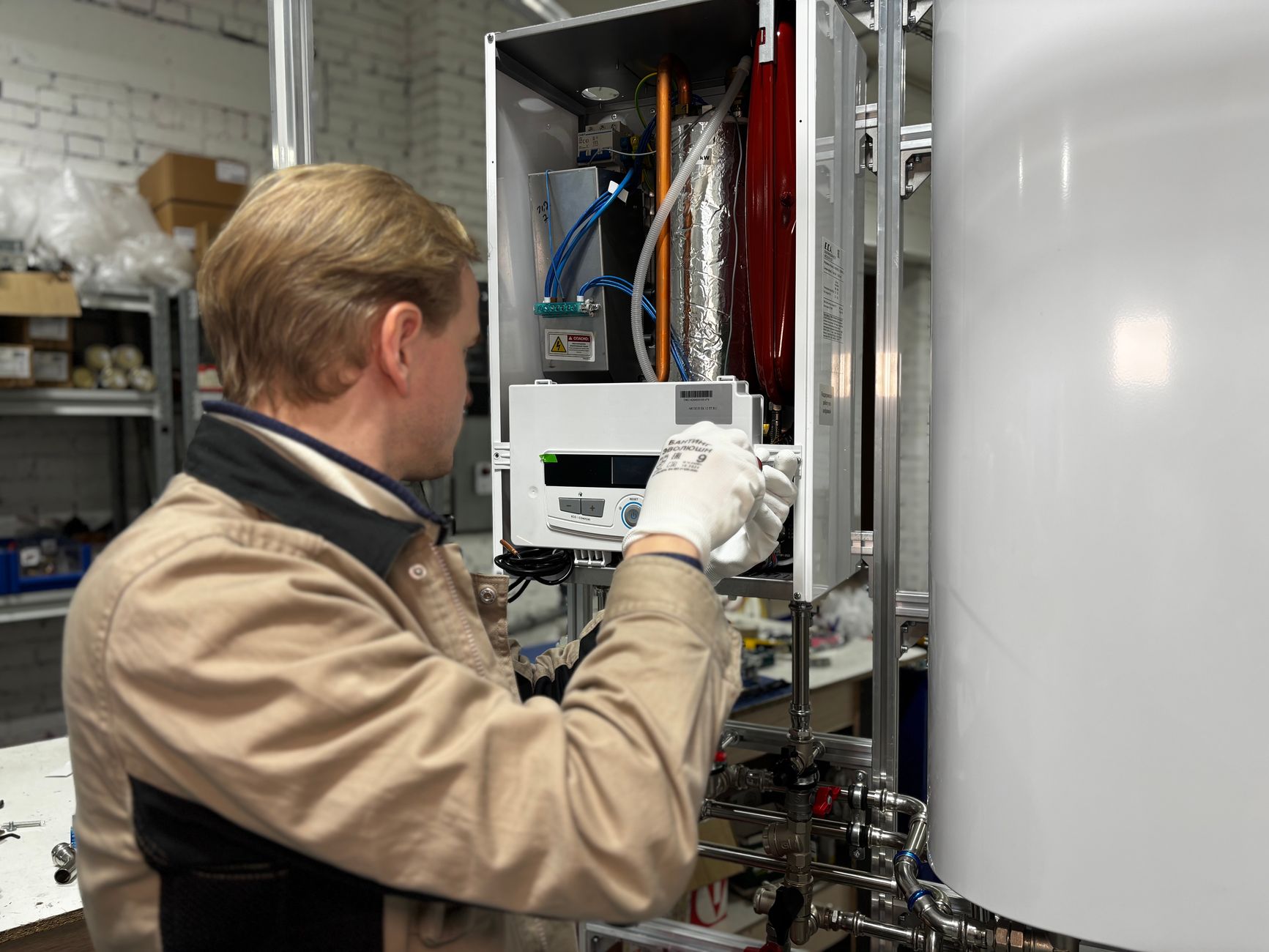
If the system is functional and pressure-tests clean, a few habits extend its life. Keep the system running at low temperature through the winter rather than shutting it off entirely — thermal cycling from cold to hot and back is harder on old solder joints than sustained low heat. Use a closed, inhibited water system if your plumber recommends it; adding a corrosion inhibitor to the loop reduces oxygen-driven pitting. And keep records: know where your manifolds are, what pressure the system holds when healthy, and when the boiler was last serviced. The next owner, or the plumber you call at midnight when the floor is wet, will thank you.
Tim McMullen · CA DRE #02016832
tim@mcmullen.properties · (415) 691-9272
Tim McMullen, CA DRE #02016832. Real estate services provided by Tim McMullen, Broker, CA DRE #02016832. Figures are from recorded sales; nothing here is an opinion of the value of any home.